


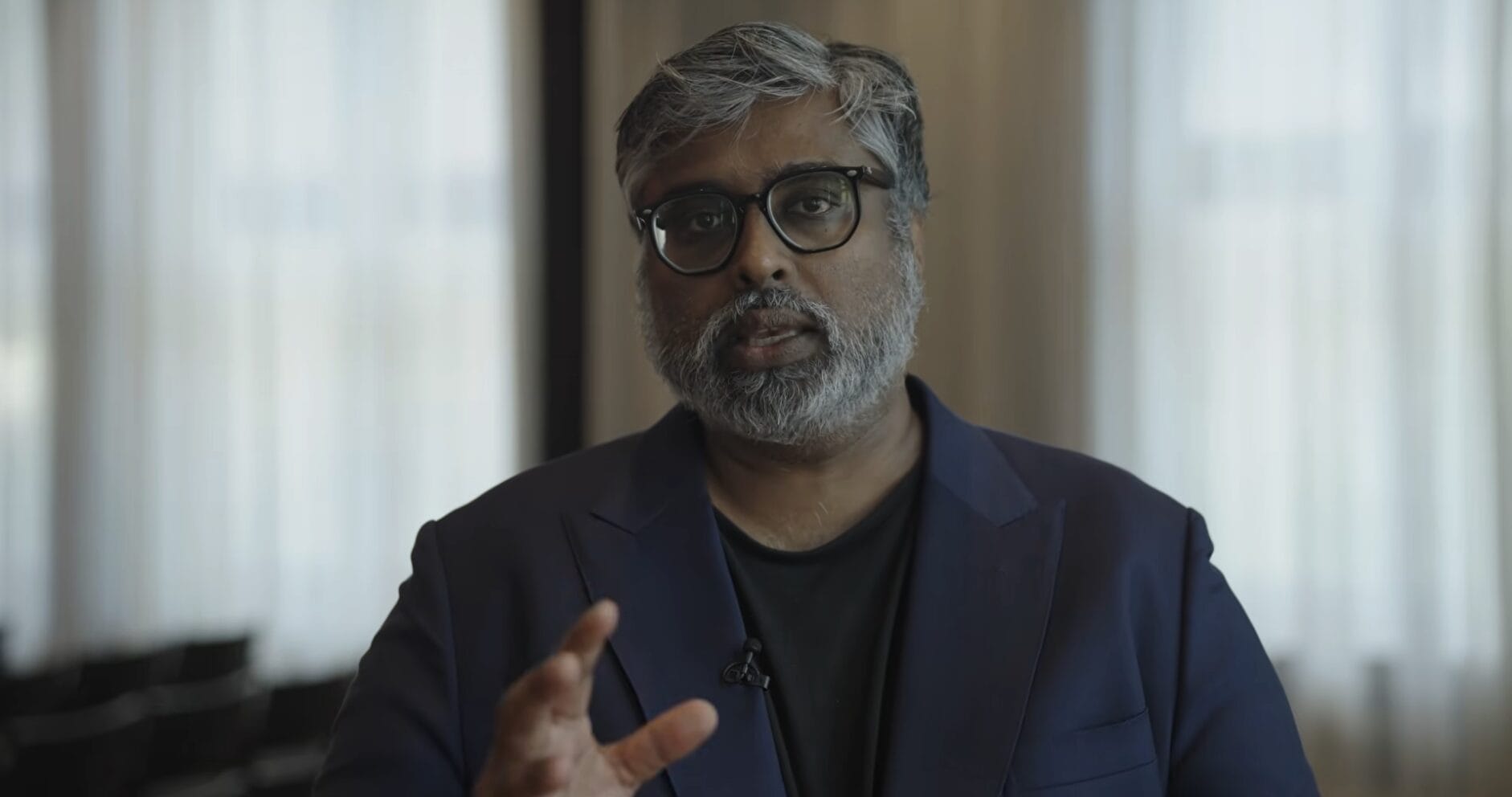
During Point Zero Forum, Chainlink Labs’ Vice President, Asia-Pacific and Middle East, Niki Ariyasinghe, explained how Project Pangea – a landmark initiative transforming the $150 billion South Korea-Europe trade corridor – is unlocking faster, more efficient FX settlement.
Chainlink launched Project Pangea with FairSquareLab, Korea’s leading digital asset infrastructure company; Qivalis, a euro stablecoin consortium powered by 37 leading European banks; and a consortia of more than 50 multinational banks representing over $10 trillion in AUM. The initiative is designed to unlock T+0 cross-border settlement via Chainlink’s oracle infrastructure and Swift’s ISO 20022 standards.
“Project Pangea is really quite unique in the market in that it is not a top-down network that’s being created; it’s really a bottom-up organic effort,” Ariyasinghe said.
The South Korea-Europe trade corridor is among the world’s 15 largest trade routes, processing over $150 billion in goods and services annually. With Asia driving 60% of all global stablecoin payments, the region is fertile ground for establishing regulated digital currency infrastructure.
Project Pangea unites dozens of global financial institutions from across Europe and South Korea to facilitate the atomic swap of regulated, fiat-referenced digital assets such as EUR and KRW stablecoins via Chainlink’s data, interoperability, and orchestration standards alongside FairSquareLab’s onchain FX settlement technology.
The goal is to establish a scalable multi-currency settlement network that processes over $9.6 trillion in daily FX market trading volume and transition from traditional T+2 settlement cycles toward T+0 settlement models that promote real-time cross-border transactions.
“This is really looking to apply those onchain principles, those onchain technologies to then enable organizations to create that pricing efficiency onchain,” Ariyasinghe said.
Project Pangea leverages Chainlink’s data, interoperability, and orchestration standards alongside Swift’s ISO 20022 framework so that financial institutions can interact onchain using their existing infrastructure.
“This project is about enabling banks and financial institutions to access the ecosystem in whatever way, shape, or form they want,” Ariyasinghe explained.
“It’s really about giving financial institutions optionality.”
He highlighted the blockchain industry’s evolution from pilots and proofs of concept to initiatives, like Project Pangea, that put the technology to work.
“The exciting part for us is there has been so much interest from around the world and other potential partners in other very significant economies,” he said.
“We can see this – once it’s proven out in this very first corridor – expanding to other significant corridors as well. This is about bringing real money, real value to global trade corridors and expanding the impact for real customers.”
Watch the full video.